 EN
EN

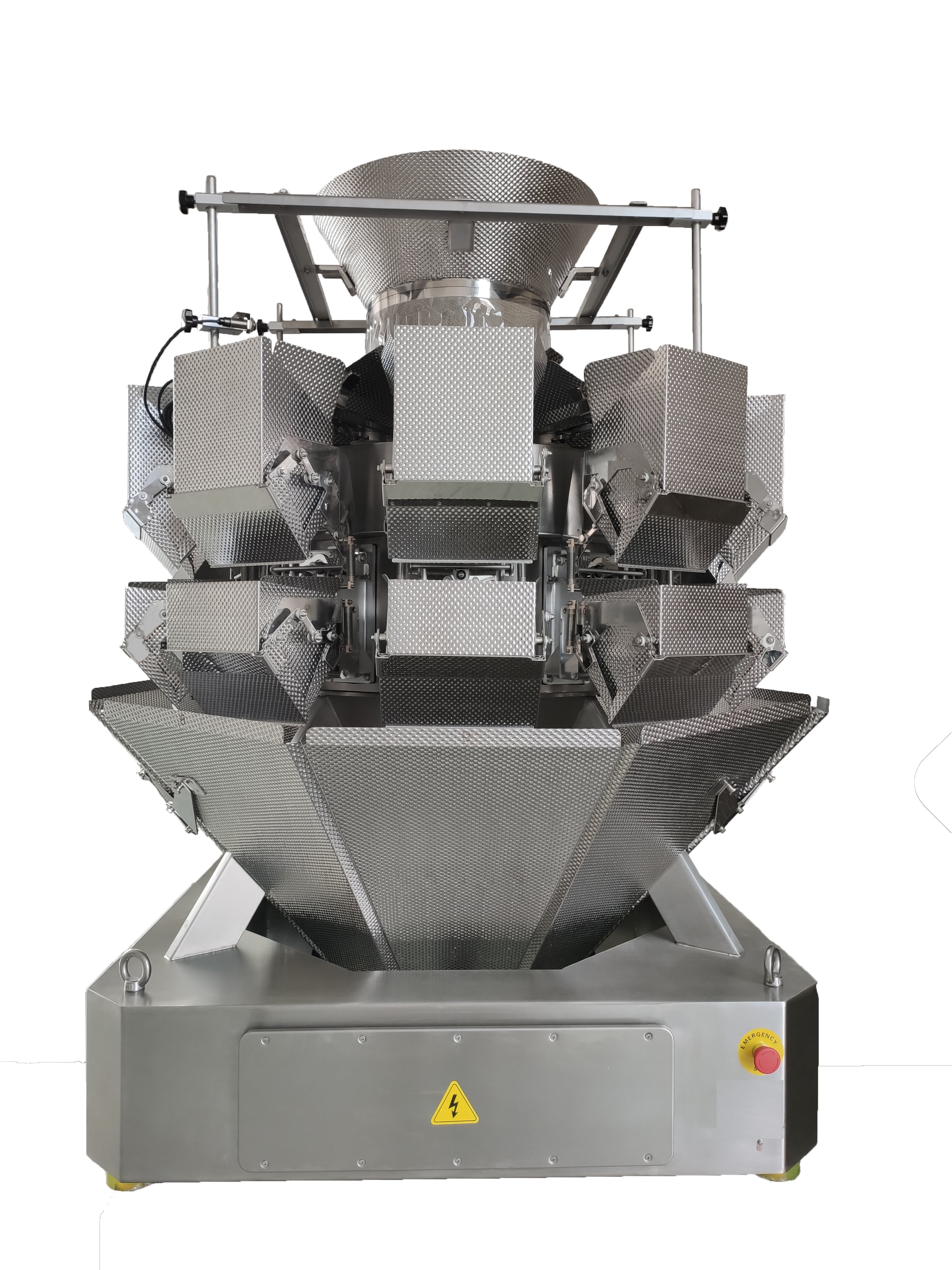
Multihead weighers are machines that help businesses measure and package products quickly and accurately. These machines are very important for companies that sell things in bulk, like food or other goods. However, sometimes they might not work as well as they should. There are several reasons why a multi-head weigher might not give the right weight. Understanding these reasons can help businesses make sure their products are measured correctly. This is really important because if the weight is wrong, it can lead to unhappy customers or loss of money.
What Common Usage Issues Affect Multihead Weigher Performance in Wholesale?
When using a multi-head linear weigher OEM, some problems can happen that affect how well it works. One big issue is when the product being weighed is not the same all the time. For example, if a company is weighing candy, but the candy pieces are different sizes or shapes, the machine might struggle to get the right weight. Another problem can come from how the product is put into the machine. If someone pours the product too fast or too slow, it can mess up the weighing process. Dust or other dirt on the machine can also cause issues. If the sensors are dirty, they won't work properly. This is like trying to see through a dirty window. Additionally, if the machine is not set up correctly, it can lead to errors. A good setup is important for accuracy. If the machine is shaking or vibrating because it’s on an unstable surface, that can also affect the weight readings. The temperature can even play a role. If the product is too warm or cold, it might weigh differently. All of these things can lead to mistakes in weight, which is why it’s important for businesses to keep an eye on how they use their multi-head weighers.
How to Troubleshoot Accuracy Problems in Multihead Weighers?
If a multi-head weigher is not giving the right weight, there are ways to fix it. First, it's very important to check if the machine is clean. Cleaning the sensors and other parts can help improve accuracy. Businesses should make a cleaning schedule to keep everything tidy. Next, make sure to check the setup of the machine. It should be on a flat surface, and nothing should be shaking it. If the machine is still not working right, checking the calibration is a good step. Calibration means making sure the machine is measuring correctly. Sometimes, a simple reset can fix small problems. Another thing to look into is the product being weighed. If the product is different each time, try to use a more uniform product. For example, if you are weighing nuts, make sure they are all a similar size. If problems keep happening, it might be time to call in a professional who knows about multi-head weighers. They can help figure out what is wrong and make sure the machine is running well. Keeping everything in check will help businesses get accurate weights and keep their customers happy.
What Are the Key Features of Accurate Multihead Weighers for Wholesale Buyers?
When it comes to buying a multi-head weigher, there are some important features that can help ensure it works accurately. First, a good multi-head weigher should have a strong and reliable design. This means it should be made from high-quality materials that can last a long time. A sturdy machine will not easily break or get damaged, which is important for wholesale buyers who need to weigh large amounts of products every day. Another key feature is the number of heads. Multihead weigher can have different numbers of weighing heads, usually ranging from 10 to 14 or more. The more heads a machine has, the more accurate it can be. This is because it can weigh multiple portions at the same time and pick the best combination to reach the target weight.
Speed is also very important. Wholesale buyers need to pack their products quickly, so a fast multi-head weigher can help them keep up with demand. A good machine should be able to weigh and fill bags in just a few seconds. Additionally, user-friendliness matters. The machine should have easy-to-use controls so that workers can operate it without making mistakes. This helps avoid errors that can lead to incorrect weights. Lastly, the machine should be easy to clean. In a wholesale setting, keeping things clean is essential for safety and hygiene. A design that allows for easy cleaning will make it easier to maintain the machine and keep it in good working order. All these features together help ensure that the multi-head weigher is accurate and reliable for wholesale buyers.
How Environmental Conditions Influence Multihead Weigher Accuracy?
The environment where a multi-head weigher is used can greatly affect its accuracy. One of the biggest factors is temperature. If it is too hot or too cold, the machine may not work as well. For example, when it’s very warm, some products may expand or change weight slightly. This can lead to incorrect measurements. On the other hand, if it’s too cold, some materials may become hard and difficult to weigh properly. Humidity is another important factor. When the air is very moist, some products like powders or granules can clump together. This clumping can make it hard for the weigher to get an accurate reading. Therefore, keeping the environment controlled is important for getting the best results from a multi-head weigher.
Dust and other particles in the air can also affect accuracy. In a busy warehouse, dust can settle on the machine and interfere with its sensors. This can lead to errors in weight readings. To help with this, it is important to keep the area clean and free from dust. Lighting can play a role too. If the area is too bright or too dim, it might affect how the machine reads the product. Proper lighting helps ensure that the multi-head weigher can work effectively. Lastly, vibrations from nearby machines or equipment can also impact accuracy. If the machine is shaking, it can lead to incorrect weight measurements. Therefore, placing the multi-head food packaging weigher on a stable surface away from heavy machinery is essential. By understanding how different environmental conditions affect multi-head weigher accuracy, buyers can take steps to ensure their equipment works properly and reliably.
How Calibration Affects the Performance of Multihead Weighers in Wholesale Settings?
Calibration is a very important part of keeping a multi-head weigher working accurately. Calibration means adjusting the machine so that it gives the correct weight every time. If a multi-head weigher is not calibrated properly, it can lead to mistakes. For example, if the machine thinks a product weighs less than it actually does, it might under-fill bags. This can cause problems for wholesale buyers because they may not meet the weight requirements for their customers. On the other hand, if the machine overfills bags, it can lead to wasted products and money.
Regular calibration helps ensure that the machine stays accurate over time. It is important to follow the manufacturer's guidelines for calibration frequency. Some machines may need to be calibrated every few weeks, while others might only need it once a month. The process of calibration usually involves using known weights to check the machine’s readings. If the readings are off, adjustments are made until the machine is correct. This process helps maintain the quality of the products being packed.
Additionally, workers who operate the multi-head automatic weighing machine should be trained in calibration procedures. This way, they can spot any issues early on and fix them quickly. It is also important to keep records of calibrations. This helps track the machine’s performance over time and can provide valuable information if any problems arise. By paying attention to calibration, wholesale buyers can ensure their multi-head weighers perform well, leading to better accuracy and efficiency in their operations.
Table of Contents
- What Common Usage Issues Affect Multihead Weigher Performance in Wholesale?
- How to Troubleshoot Accuracy Problems in Multihead Weighers?
- What Are the Key Features of Accurate Multihead Weighers for Wholesale Buyers?
- How Environmental Conditions Influence Multihead Weigher Accuracy?
- How Calibration Affects the Performance of Multihead Weighers in Wholesale Settings?