In the spice industry, a product’s core competitiveness hinges on three key factors: aroma, color, and texture. These attributes are extremely delicate and are directly affected by the packaging method. Therefore, a professional packaging machine is not merely an investment in automation; it is a critical tool for safeguarding brand reputation and ensuring profitability.
First and foremost, this equipment is essential for preserving freshness and extending shelf life. Spices are hygroscopic and volatile; if exposed to air for extended periods, they easily absorb moisture and lose essential oils. Traditional manual packaging often results in poor sealing, allowing oxygen and moisture to penetrate and compromise product quality. In contrast, high-quality packaging machines utilize precise heat-sealing technology, combined with optional gas-flushing systems, to create an excellent barrier layer. This effectively locks in the spices’ rich aroma, prevents clumping, and ensures that consumers can still experience the same freshness as when the product was first manufactured, even months after purchase.
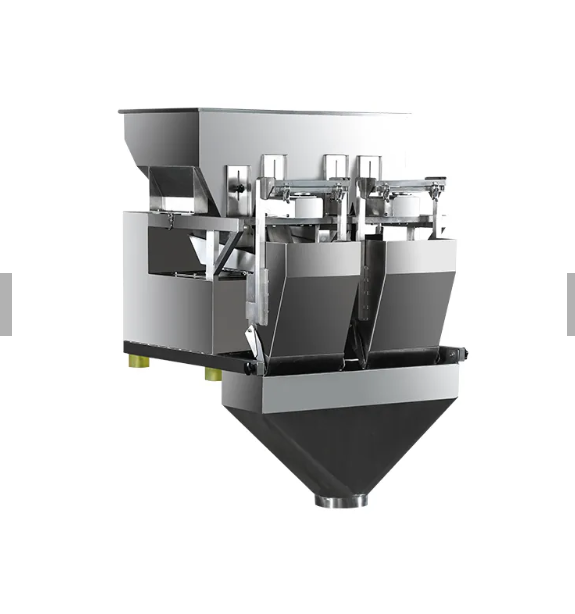
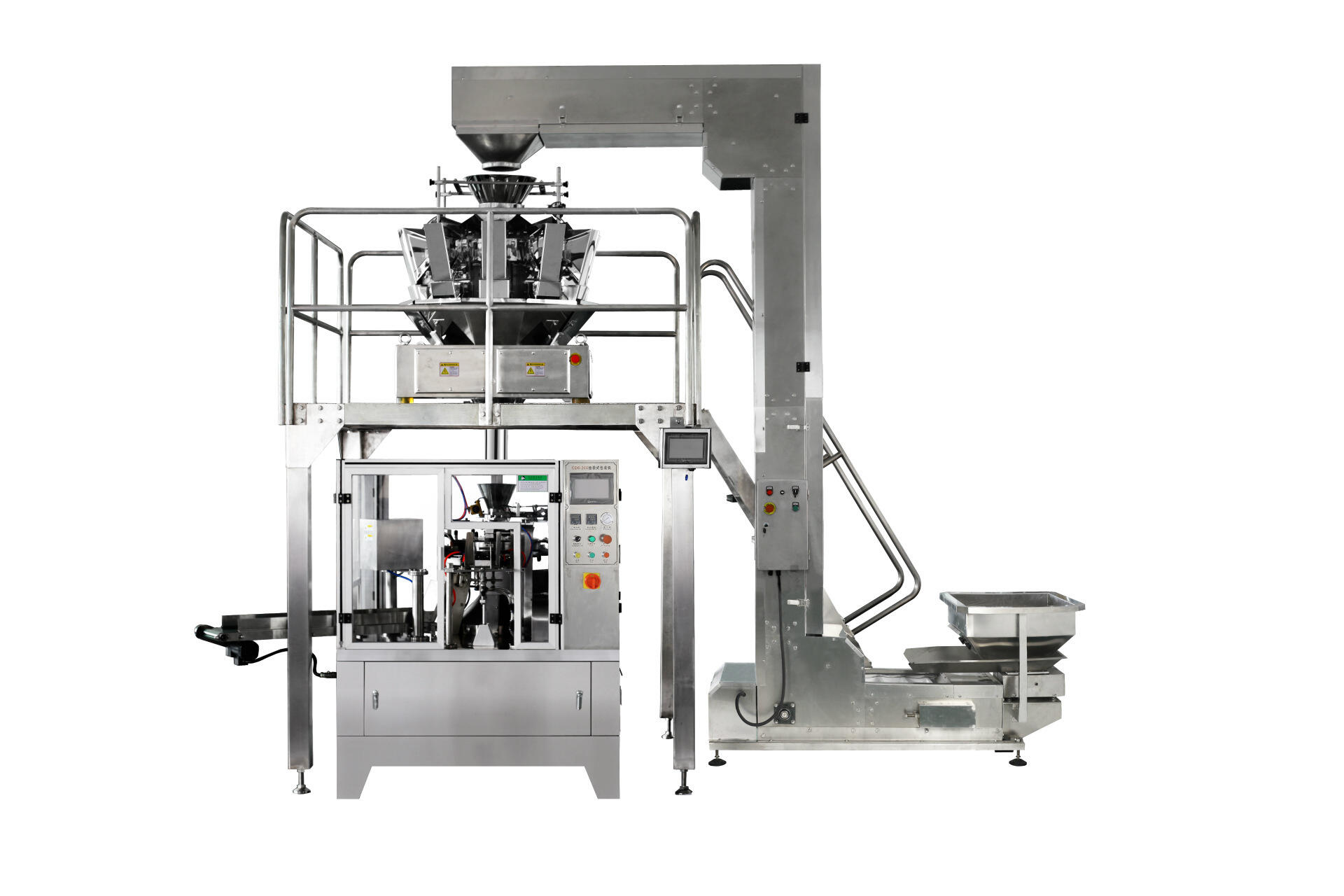
Second, it plays a decisive role in ensuring dosing accuracy and boosting profits. Whether packaging high-value saffron or large-volume chili powder, errors during the packaging process translate directly into profit loss. When handling fine powders or irregularly shaped cumin seeds manually, it is difficult to guarantee consistent weight per portion. Automated equipment equipped with screw feeders or multi-head weighers, however, can achieve gram-level precision in filling. This consistency not only ensures products meet regulatory requirements and eliminates customer complaints due to under-filling, but also maximizes your profit margin across thousands of packaging cycles by eliminating the phenomenon of “over-filling.”
Furthermore, automated packaging is an effective way to reduce health risks and prevent cross-contamination. When manually filling products with fine dust, such as chili powder or turmeric powder, airborne particles not only pose a threat to employees’ respiratory systems but also contaminate the bag openings, leading to poor sealing. Automated systems contain dust within a sealed environment, creating a safer and cleaner workspace for employees while ensuring the sealing area remains free of contamination. This guarantees flawless seals every time, significantly reducing the risk of entire batches being scrapped due to packaging leaks.
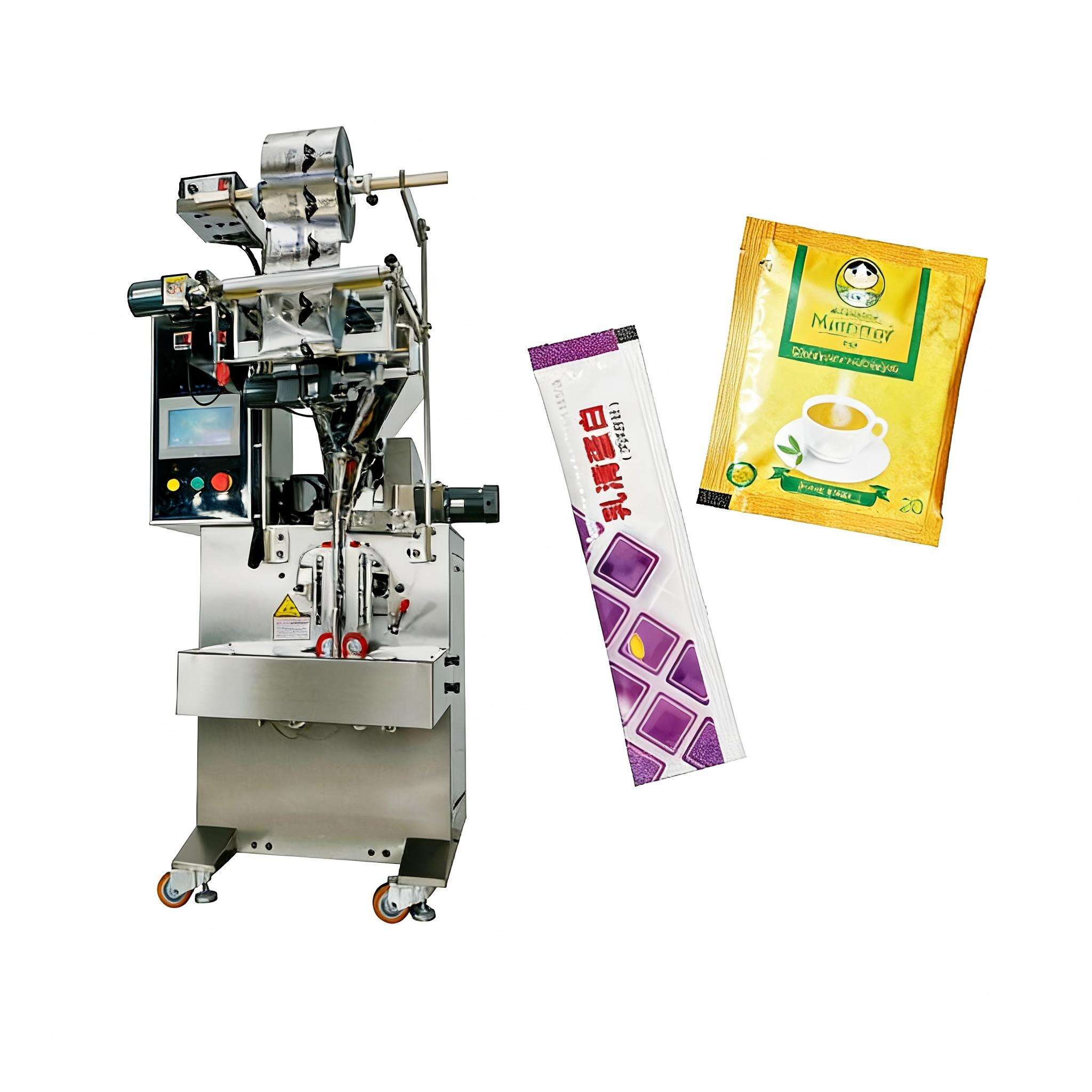
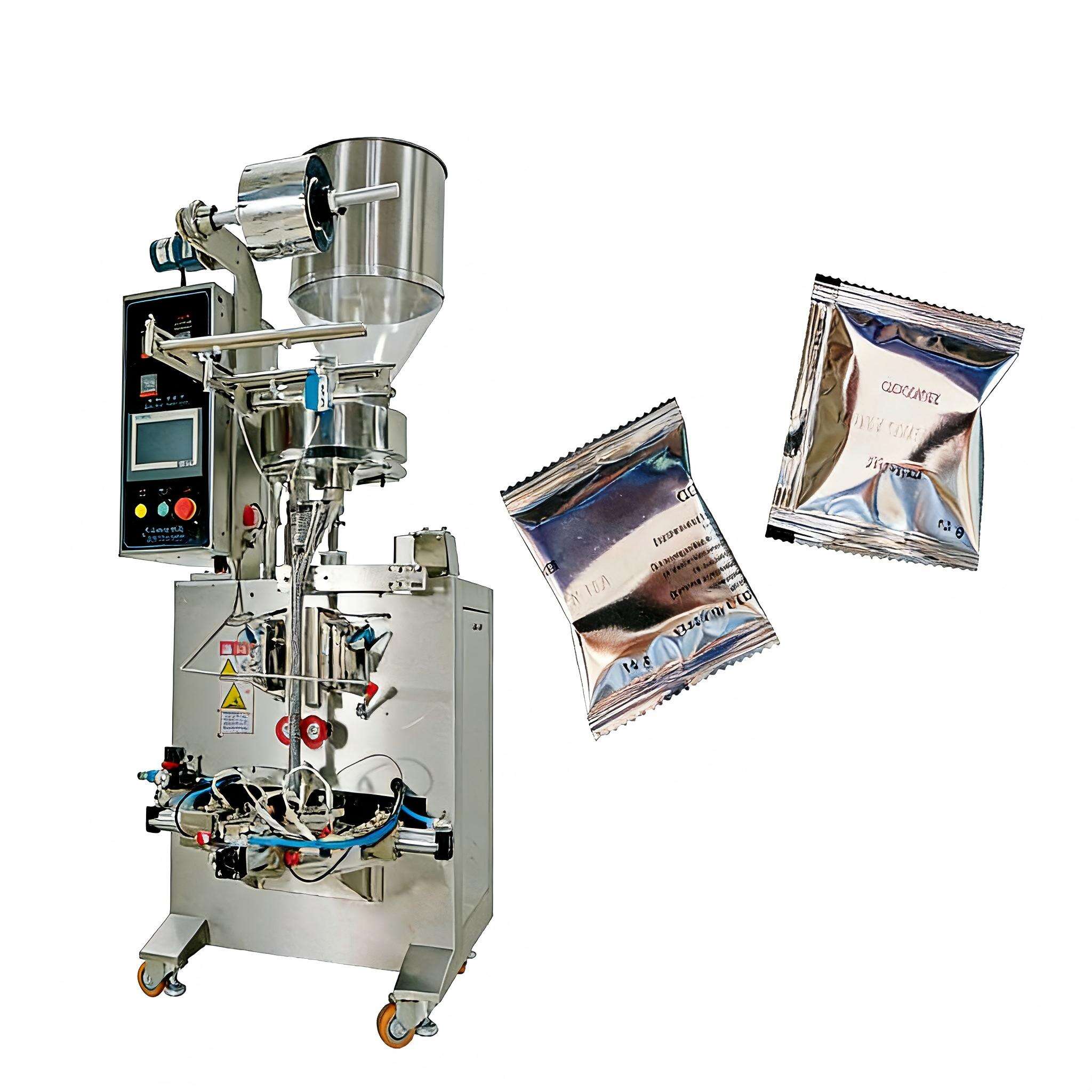
From a market perspective, enhancing brand image is another core benefit. At the retail level, packaging serves as a silent salesperson. Manually filled bags often appear uneven and have crooked seals, giving off a cheap impression. Mechanical packaging, however, ensures that every bag is highly consistent in size and features a neat, aesthetically pleasing seal. Whether producing stand-up pouches or pillow packs, this professional and refined finish signals high quality to consumers and makes your brand more appealing on the shelf.
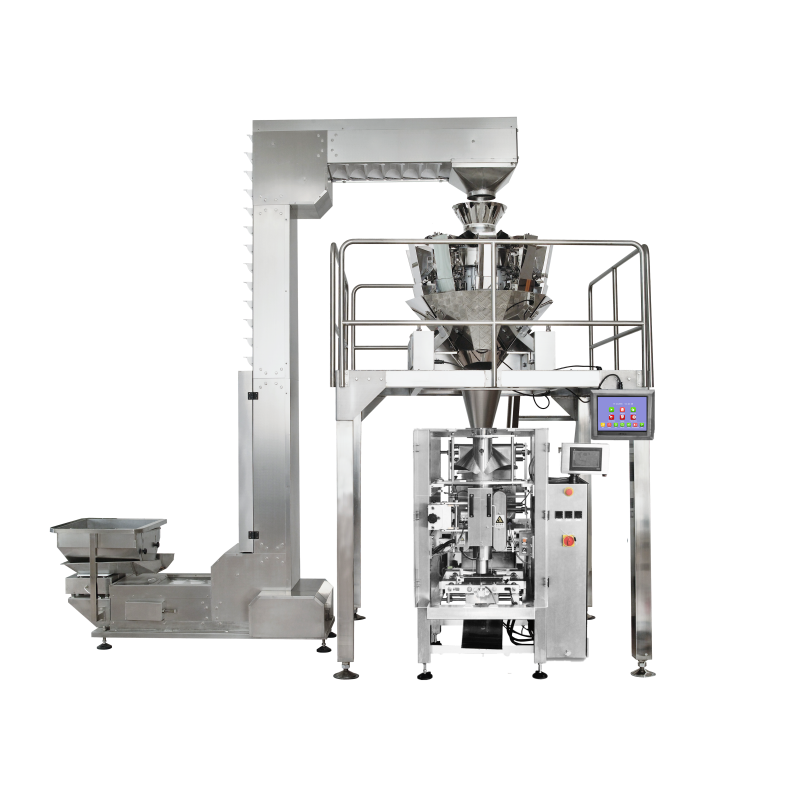
Finally, it addresses the pain points of scaling production and labor shortages. As orders grow, relying solely on manual labor creates production bottlenecks, and it is becoming increasingly difficult to find workers willing to perform repetitive, physically demanding tasks. By automating the packaging process, your team is freed up to focus on higher-value tasks such as quality control and inventory management. The equipment operates continuously, stably, and at high speeds, helping you handle large-volume orders with ease during peak seasons—without incurring high overtime costs or facing the risk of delayed deliveries.
 EN
EN