the 1st floor, Building C, No. 9, Dongfu Fourth Road, Dongheping Village, Dongfeng Town, Zhongshan City, Guangdong, China 528425 8613425598043 [email protected]
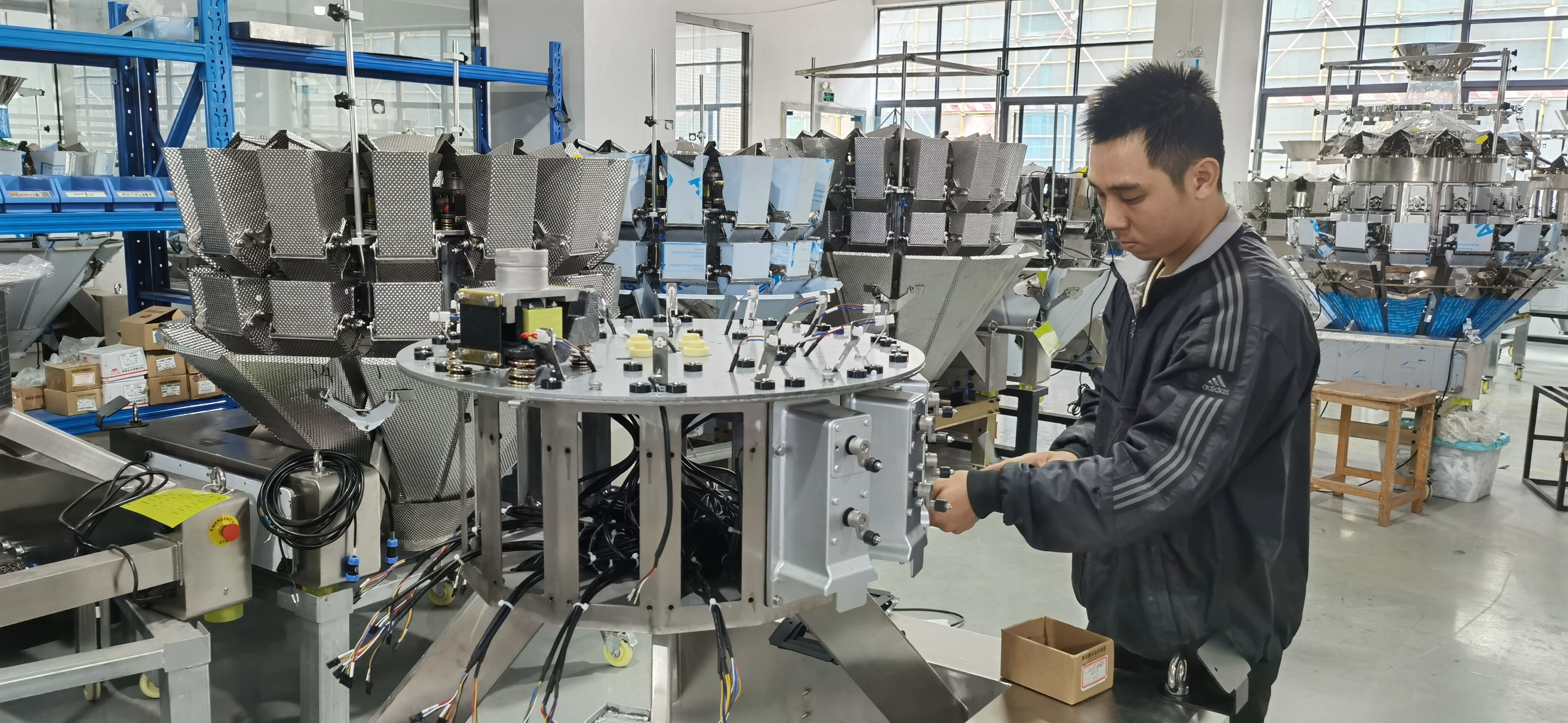
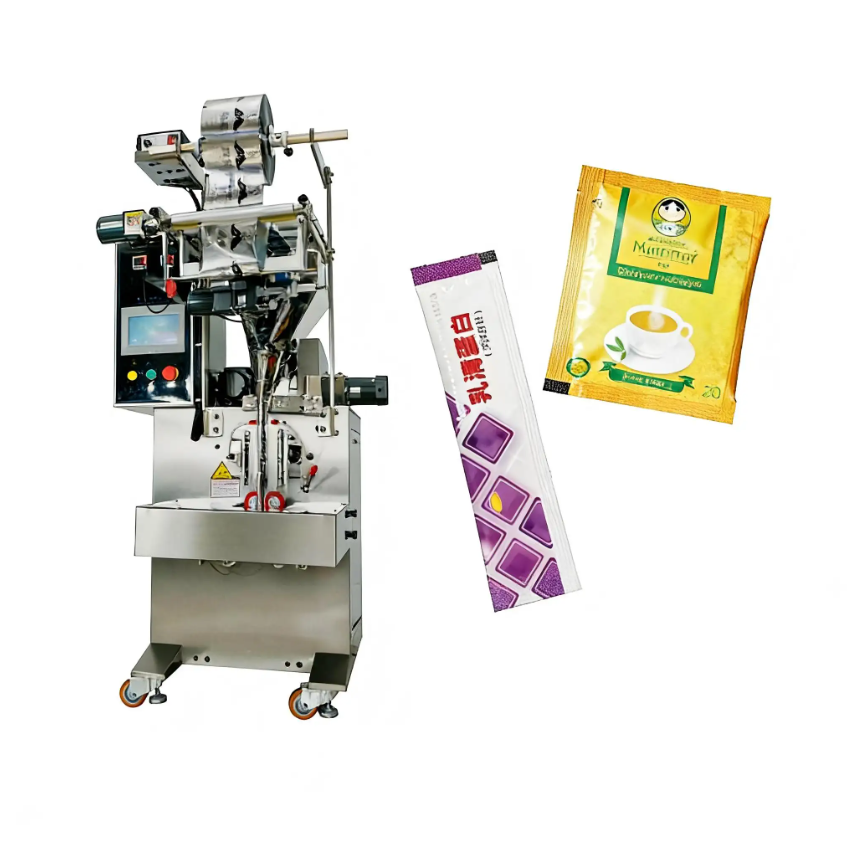
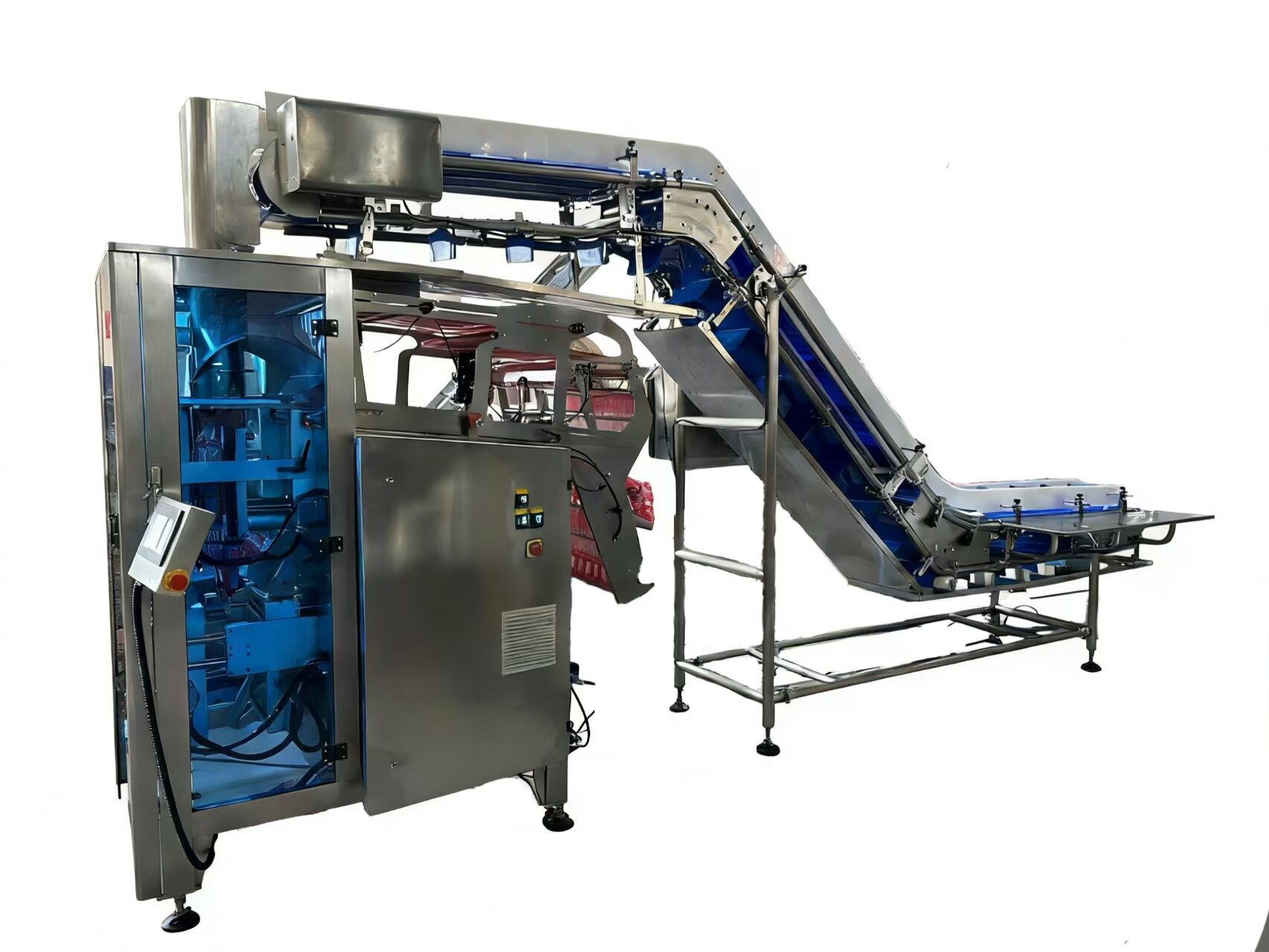
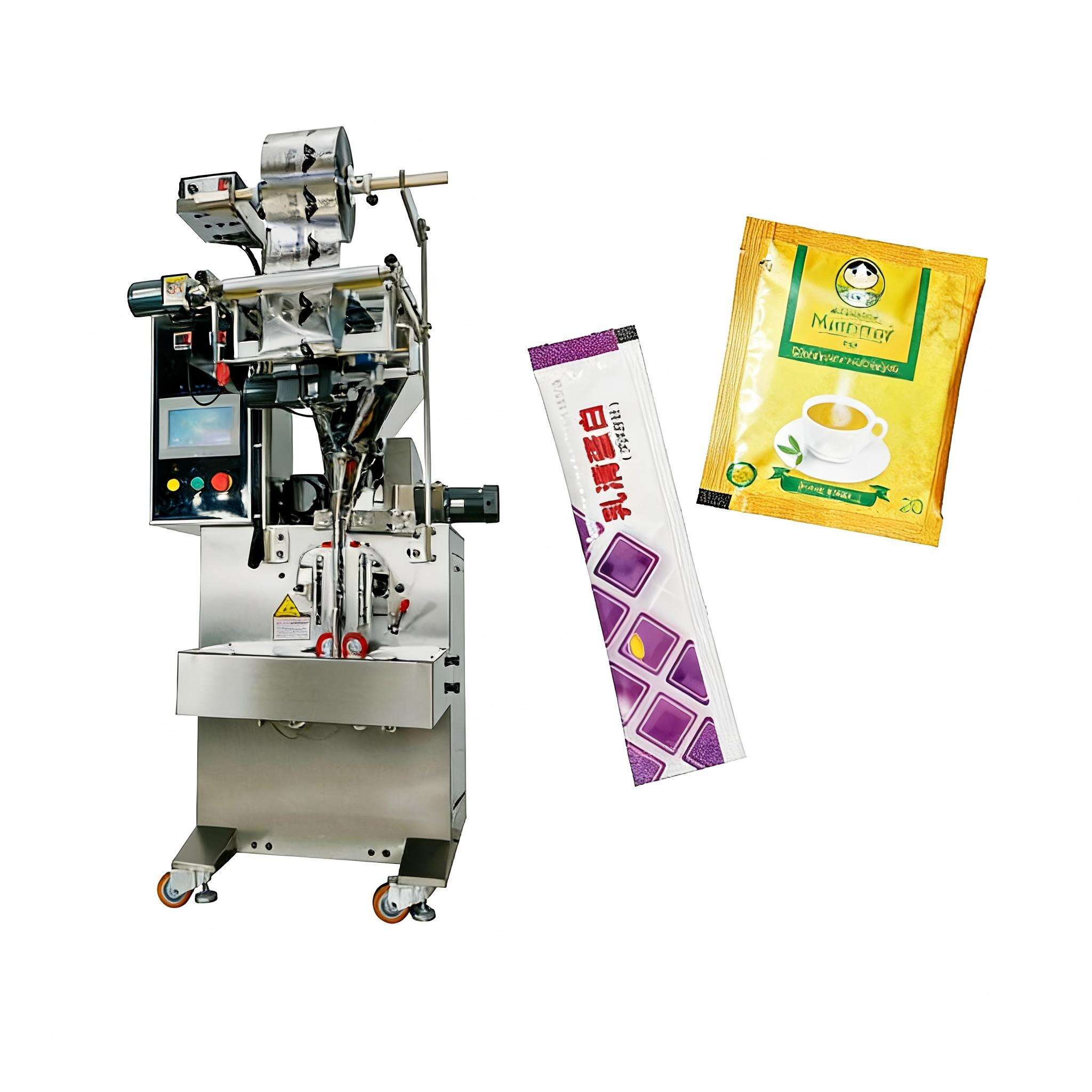
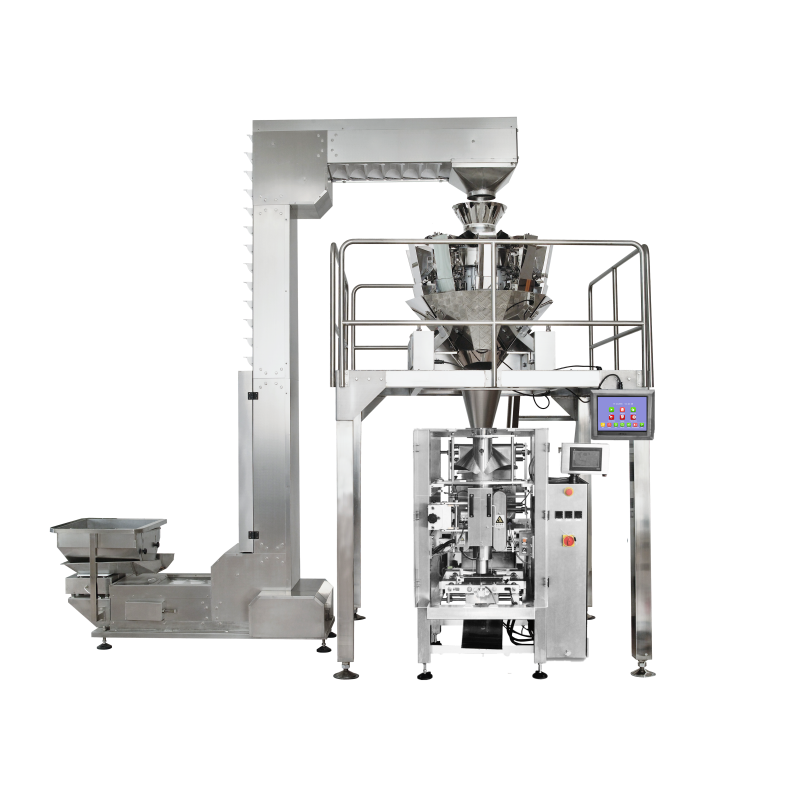
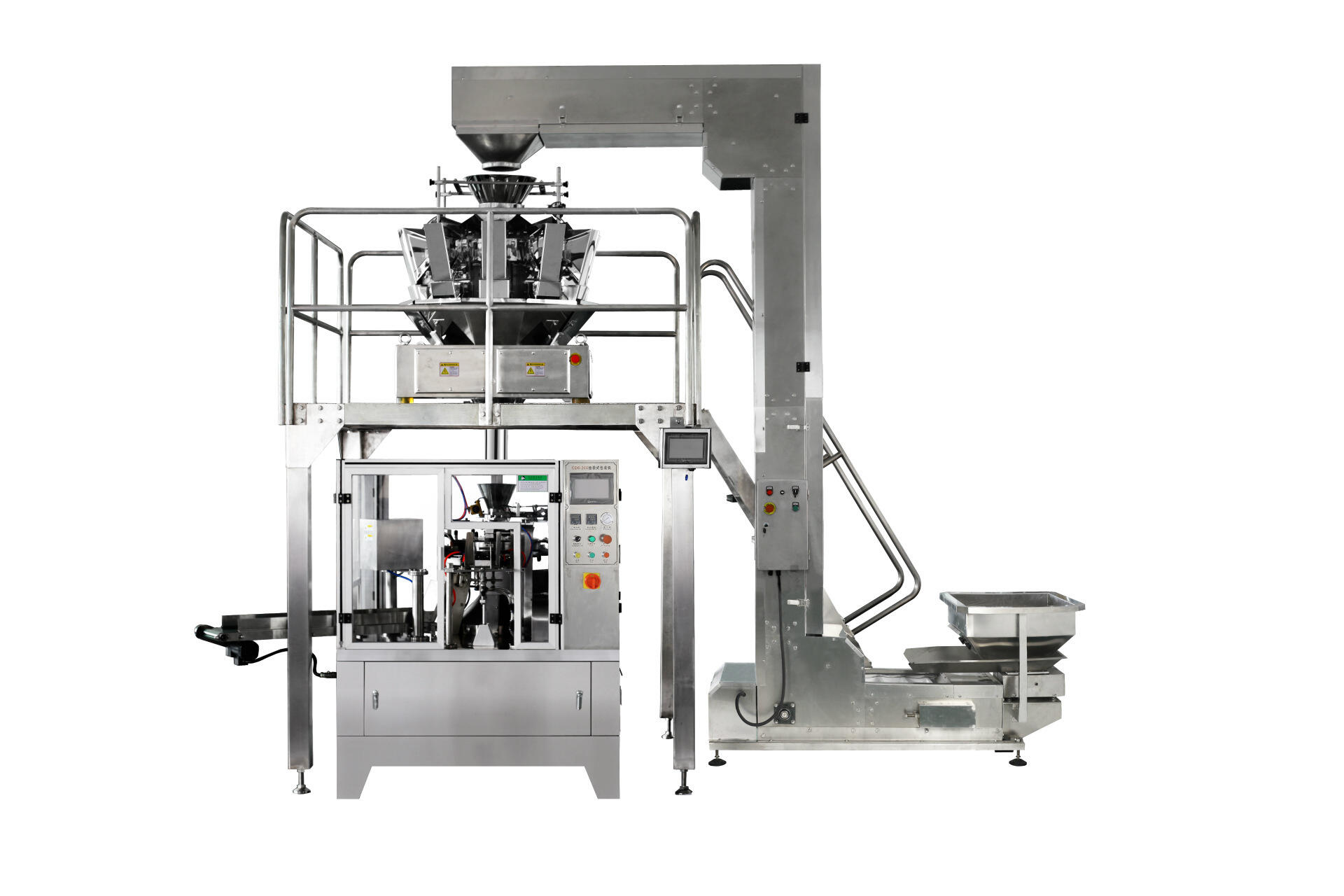
In today’s food industry, packaging lines are no longer merely the final stage of production but serve as a vital bridge connecting manufacturers and consumers. The significance of food packaging automation extends far beyond simply wrapping products; it represents a strategic transformation for food companies to fundamentally achieve sustainability, safety, and profitability in the face of market fluctuations. First and foremost, it is an effective solution to the labor shortage. Faced with persistent labor shortages and rising labor costs, automated systems take over repetitive and physically demanding tasks, allowing companies to redeploy valuable human resources to high-value-added roles such as equipment maintenance and quality control, ensuring that production lines continue to operate efficiently even with a reduced workforce. Second, automation serves as a guardian of food safety and quality. Under stringent regulatory environments, automated packaging eliminates the uncertainties of manual operations, significantly reducing the risk of product contamination. At the same time, advanced automated technologies—such as modified atmosphere packaging and precision sealing—can significantly extend the shelf life of food products, reducing food waste at the source in retail settings and households, thereby contributing to sustainable development. Furthermore, in the face of rapidly changing consumer trends, automation provides production lines with exceptional flexibility and output efficiency. Modular designs allow equipment to switch quickly between different packaging specifications, enabling companies to test new products at minimal cost and respond swiftly to shifting market demands for “single-serving” or “family-sized” options.
Copyright © Zhongshan Combiweigh Automatic Machinery Co., Ltd. All rights reserved.