 EN
EN

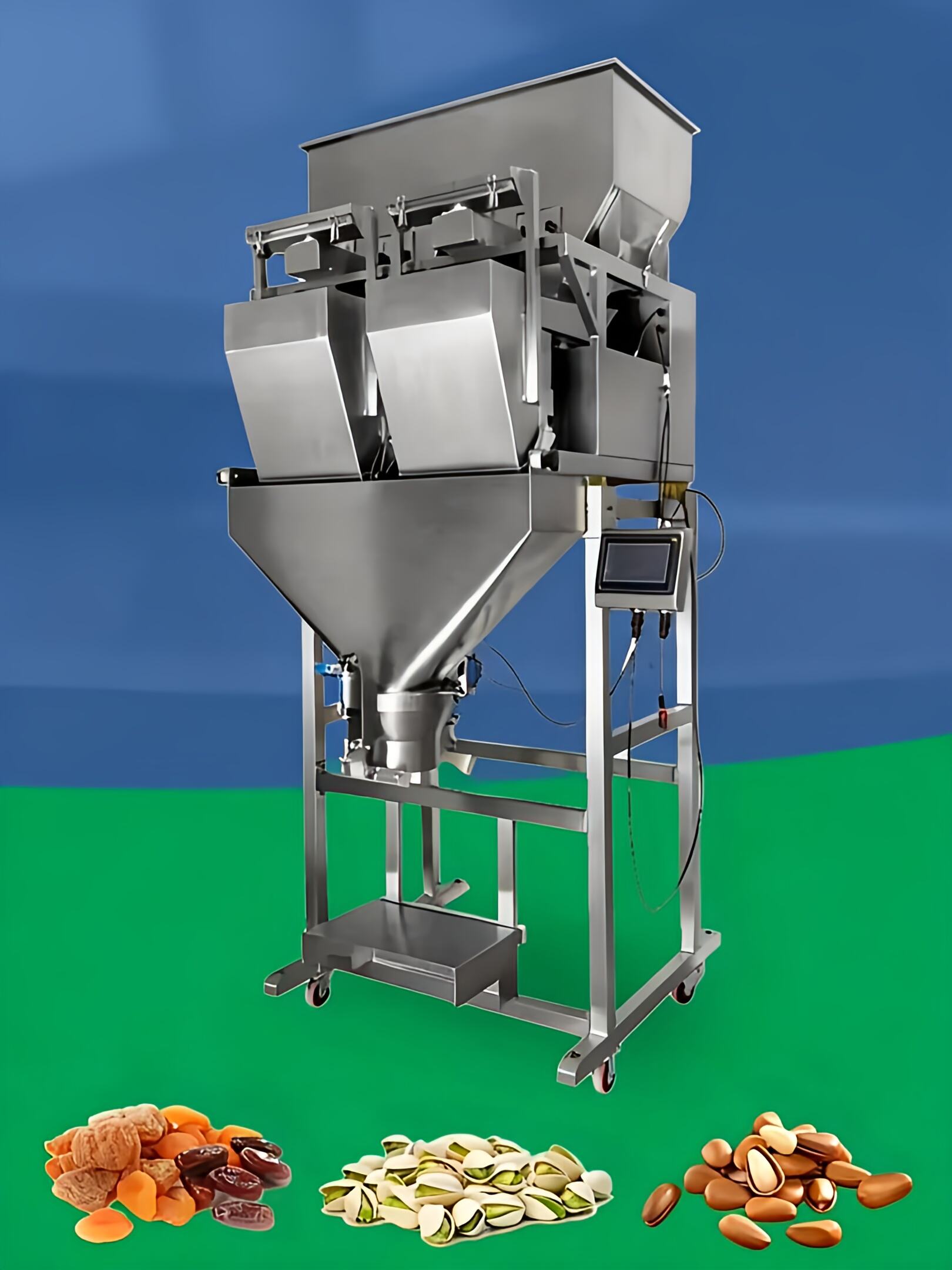
AI-Powered Intelligence in Vacuum Packaging Machines
Real-time adaptive control using embedded AI models
Vacuum packaging machines equipped with embedded AI can adjust their settings on the fly while running. These smart systems check sensor information about how fast pressure drops and how tight the film is stretched, doing this analysis 200 times per second. Based on what they find, the machines tweak things like how strong the vacuum needs to be, how long the seal should last, and what temperature works best for sealing. All of this happens automatically as products vary in density, different films are used, or when humidity levels change around them. The result? No more problems with weak vacuums, seals that are too hot, or damaged packaging film, all without anyone needing to step in and fix things manually.
Manufacturers report a 30% reduction in defective packages after deployment. By continuously fine-tuning film usage per product geometry, adaptive AI also cuts material waste—particularly valuable for high-value formats like medical devices and premium perishables.
Case study: AI-driven seal integrity optimization for food-grade vacuum packaging
A frozen seafood processor faced chronic micro-leak failures, resulting in 8% spoilage across its high-speed lines. Legacy controls couldn't detect subtle film imperfections or thermal inconsistencies during rapid cycling. After integrating AI-powered vision analytics with multi-sensor pressure and gas composition monitoring, seal failure rates dropped 40% within three months.
The infrared thermal imaging system was monitoring how heat spread across those sealing bars, and at the same time, machine learning algorithms were connecting unusual patterns to twelve different factors that could be adjusted. These included things like nozzle pressure settings, how long the seal stayed in place (dwell time), and the speed at which cooling happened after sealing. Whenever something went off track and indicated potential problems, the whole system would automatically make corrections right in the middle of the production cycle. What's really impressive is that oxygen levels stayed under 0.5% throughout, even when dealing with oddly shaped items that are harder to seal properly. This has had real world benefits too: shelf life for these products increased by about a quarter, and we've managed to cut down on waste significantly, saving around 120 tons per year just from this improvement alone.
IoT-Enabled Connectivity and Smart Monitoring for Vacuum Packaging Machines
The latest generation of vacuum packaging equipment is getting smart thanks to IoT connections, which gives manufacturers better insight into how these systems actually work and helps maintain consistent product quality. These machines come equipped with built-in sensors that keep track of things like how strong the vacuum gets, what temperatures are reached during processing, when each cycle starts and stops, and whether seals hold properly. All this information gets sent over secure lines to online dashboards where operators can watch everything happen in real time. A recent report from McKinsey suggests that companies adopting this kind of connected approach could see their production output jump around 30 percent within the next couple years as they get used to working with all this new data coming in from their packaging lines.
- Real-time parameter adjustments that preserve barrier performance
- Predictive maintenance alerts triggered by pressure decay trends
- Remote diagnostics and firmware updates, eliminating on-site troubleshooting delays
End-to-end sensor-to-cloud integration for real-time process visibility
Sensors built right into the system track things like vacuum pressure, how well seals hold up, how fast materials move through, and what's going on around them, all feeding straight into central monitoring screens instead of relying on people to write everything down manually which tends to lead to mistakes. When something goes off track, operators get warnings right away if any measurements go past their accepted limits, say when oxygen gets into packages at over 0.3% for those medicine blisters. This lets staff catch problems early before bad products make it further along the line. The whole setup helps cut down wasted packaging material by about 15 percent and brings unexpected equipment stoppages down somewhere between 30 and 40 percent according to field tests.
Compliance-ready monitoring in pharma and medical device vacuum packaging
In regulated sectors, keeping secure, time marked records for all key packaging metrics is essential. Today's advanced systems record things like vacuum readings, how long items stay under sterilization, temperature changes inside chambers, and even surrounding air moisture levels. All this gets stored in encrypted digital files ready for audits, meeting both FDA 21 CFR Part 11 and EU Annex 11 standards without any issues. Tracking oxygen leftovers in real time helps make sure medical devices come in packages that pass ISO 11607-2 tests for barriers. Plus, when reports need to go to regulators, automated systems speed things up since everything has timestamps and can be traced back easily through the validation process.
Industry 4.0 Integration: Digital Twins and Autonomous Vacuum Packaging Lines
The latest Industry 4.0 tech is changing how vacuum packaging works, mainly because of things like digital twins and self-running controls. Think of digital twins as these moving copies of real production lines that companies can play around with. With them, manufacturers don't have to wait until they're on the factory floor to try out different formats, experiment with new films, or check if their settings will work properly. What this means in practice? Less wasted material when switching between products – somewhere around 15 to 30 percent less according to what we've seen. And getting new products ready for market happens much faster too, cutting down the time needed by about 40% in some cases. Pretty impressive stuff for anyone running a packaging operation.
Modern vacuum packaging lines bring together internet connected sensors, smart data analysis, and automatic control systems so they can monitor themselves and make improvements on their own. The machines tweak things like how strong the vacuum is, how long it runs, and when to cool down products depending on what's being packaged and current environmental factors. At the same time, these systems look at vibrations and temperature changes to figure out when parts might need replacing before breakdowns happen. Factory owners report around 95 percent continuous operation with these setups, cutting unexpected stoppages by about 40 percent compared to older methods. This creates production floors where the equipment essentially manages itself most of the time.
Predictive Maintenance for Reliable Vacuum Packaging Machine Operation
Failure forecasting using vibration, pressure decay, and thermal analytics
Modern vacuum packaging equipment now uses predictive maintenance techniques that combine data from several sources including vibration sensors, pressure decay monitoring systems, and thermal imaging devices. This is different from the old method where machines were serviced based simply on time intervals. The new system actually spots problems long before they become serious issues. For instance, changes in vibration patterns can indicate worn bearings even when there's no noticeable noise yet. Looking at how pressure decays over time helps technicians find tiny leaks in the chamber or around valves that might otherwise go unnoticed. Thermal images show if certain parts of the sealing bar aren't getting enough heat, which often happens when elements start to wear out or get misaligned somehow.
Setting up individual baselines for each machine allows systems to send warnings whenever something goes off track by more than 15 to 20 percent. This gives techs enough warning to swap out worn gaskets, adjust those tricky pressure regulators, or get ahead of problems with heating elements before they become urgent issues during scheduled maintenance windows. According to research across various industries, implementing these sensor networks cuts down unexpected stoppages by about 40 to 50 percent and slashes emergency fixes by roughly 30 percent. The savings really add up too, particularly at large manufacturing plants where every hour lost to unplanned downtime can cost upwards of seven hundred forty thousand dollars. That kind of financial benefit makes it worth investing in even for companies on tighter budgets.
FAQ Section
What are the benefits of AI-powered vacuum packaging machines?
AI-powered vacuum packaging machines automatically adjust settings for optimal performance, reducing defects, and cutting material waste, especially for high-value products.
How do IoT connections improve vacuum packaging machines?
IoT connections enable real-time monitoring and data analytics, improving product quality and allowing predictive maintenance that reduces unexpected stoppages.
What role do digital twins play in vacuum packaging?
Digital twins allow for testing and optimization of production line settings in a virtual environment, reducing material waste and speeding up market readiness for new products.
How does predictive maintenance work for vacuum packaging machines?
By using data from sensors, predictive maintenance forecasts failures before they occur, allowing timely interventions to prevent unplanned downtimes.