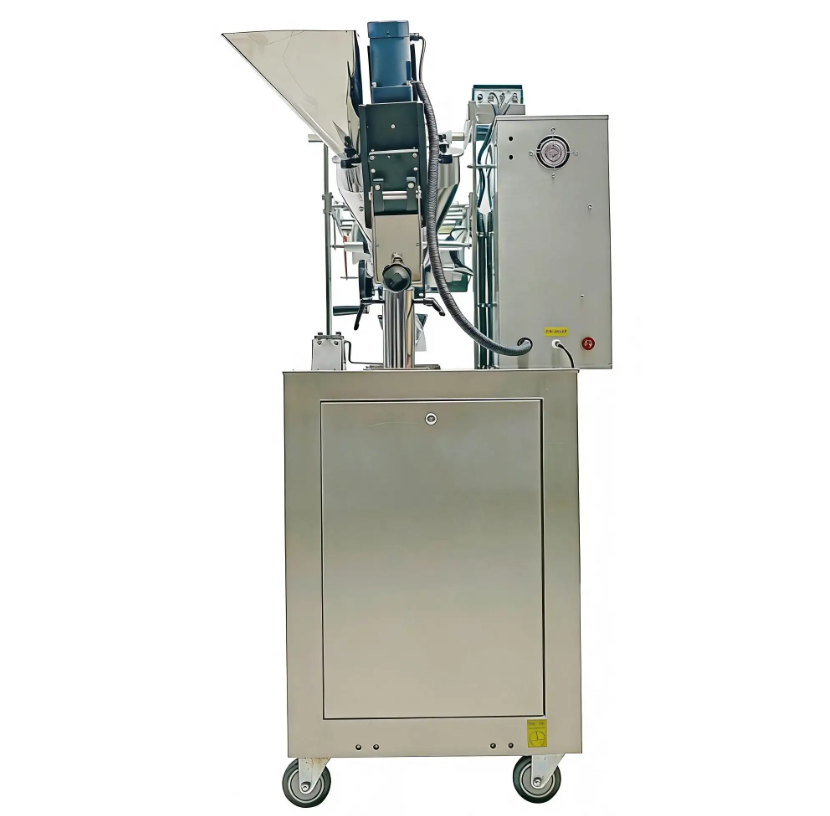
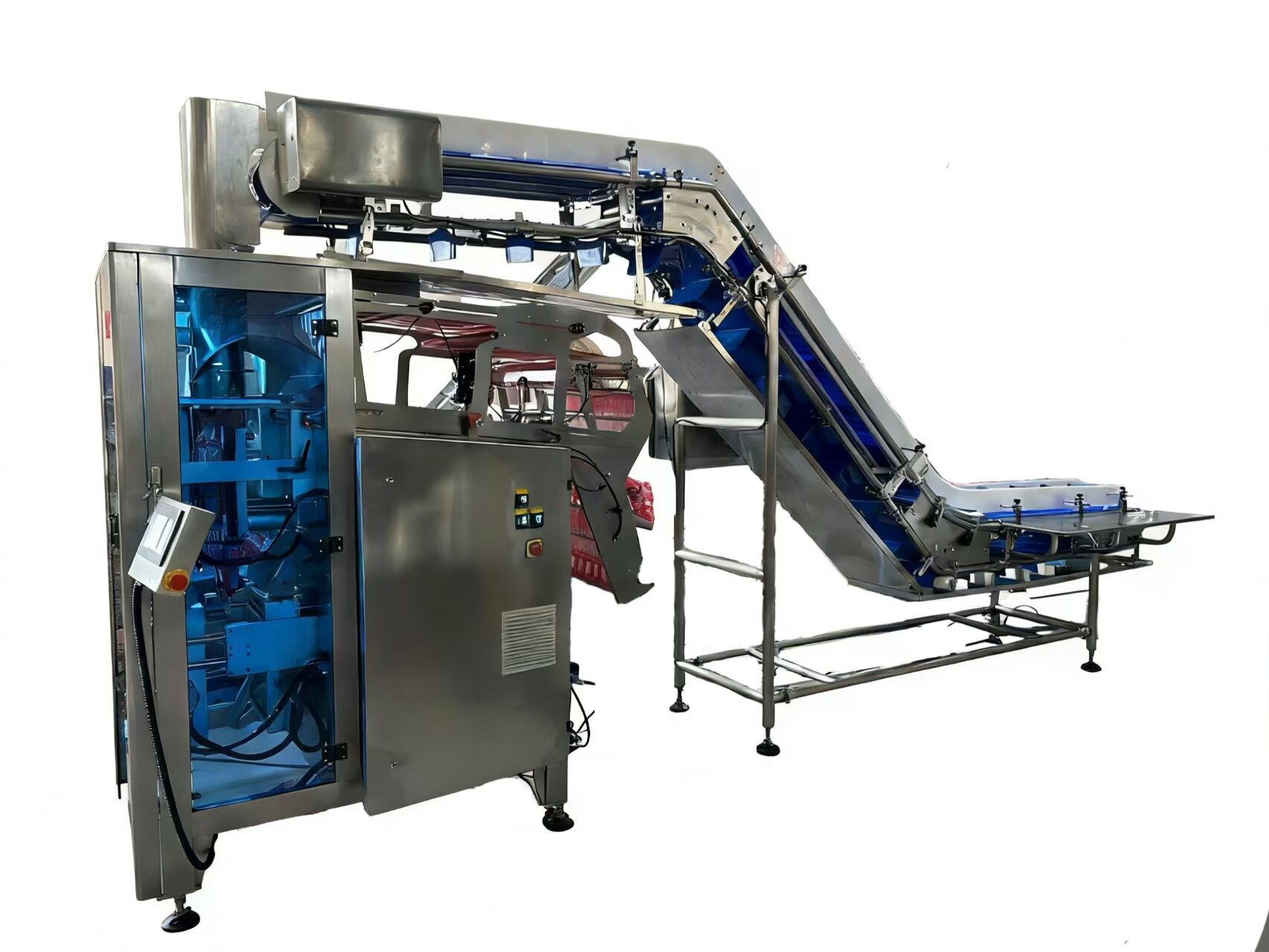
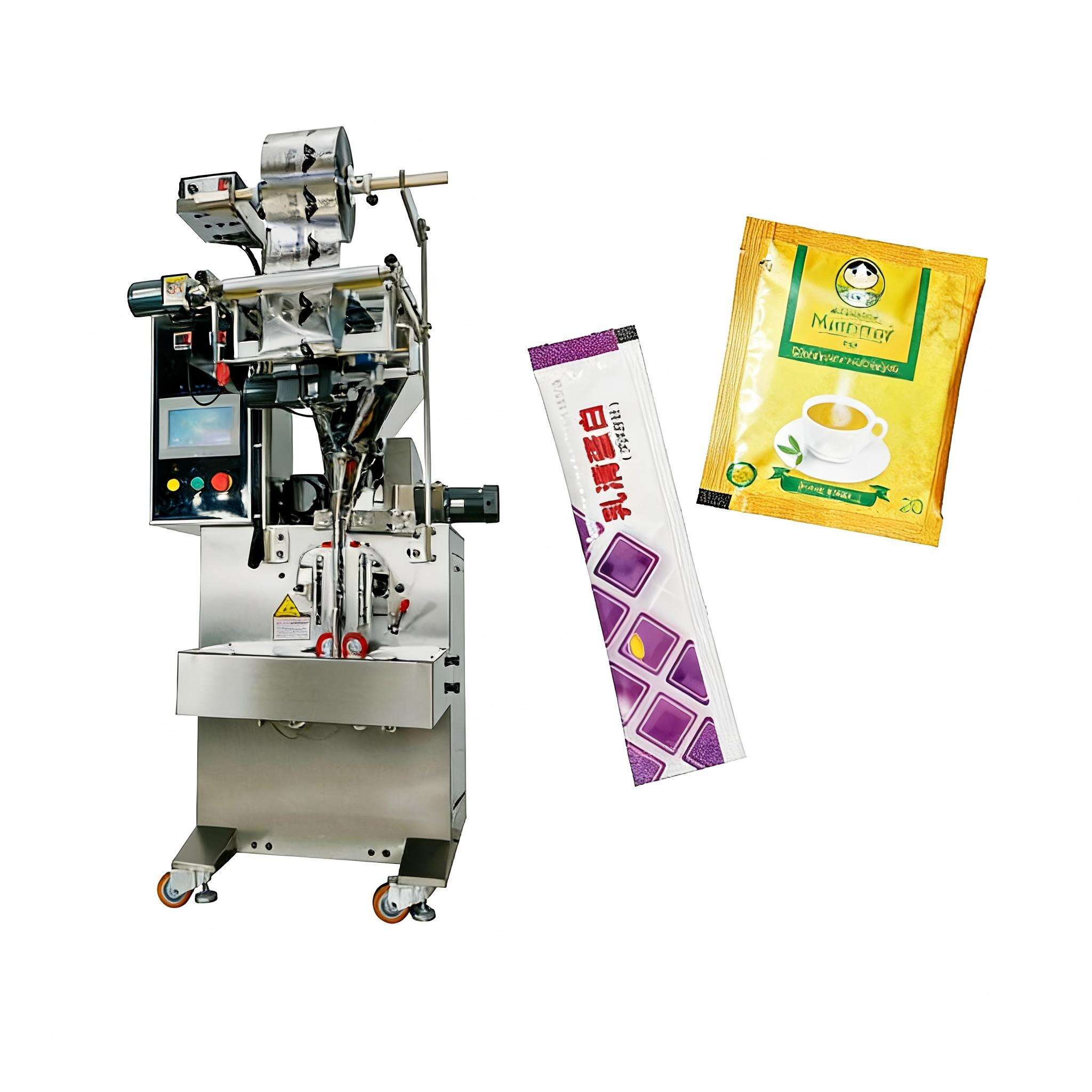
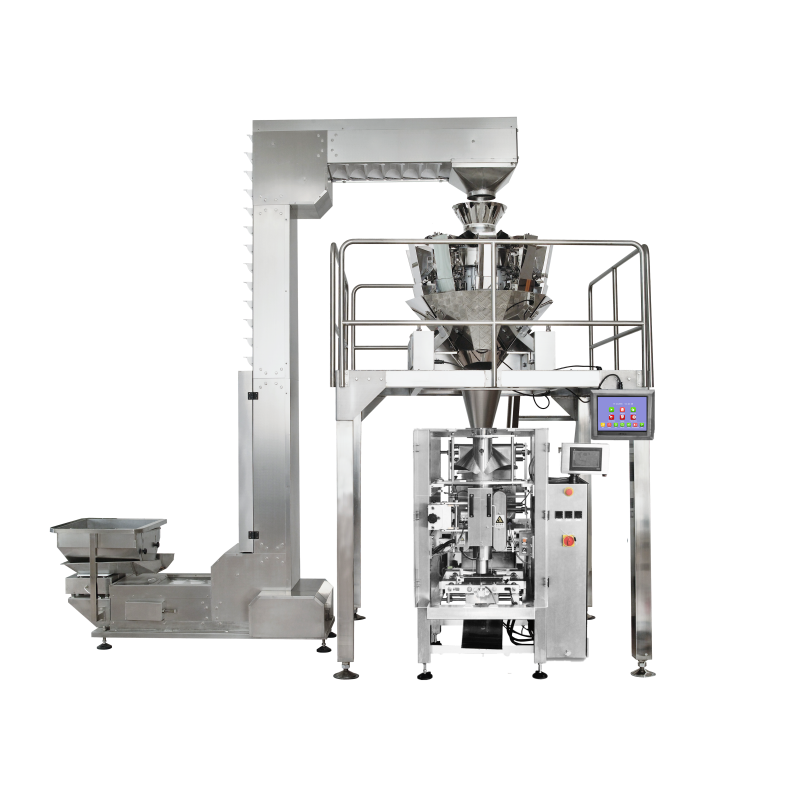
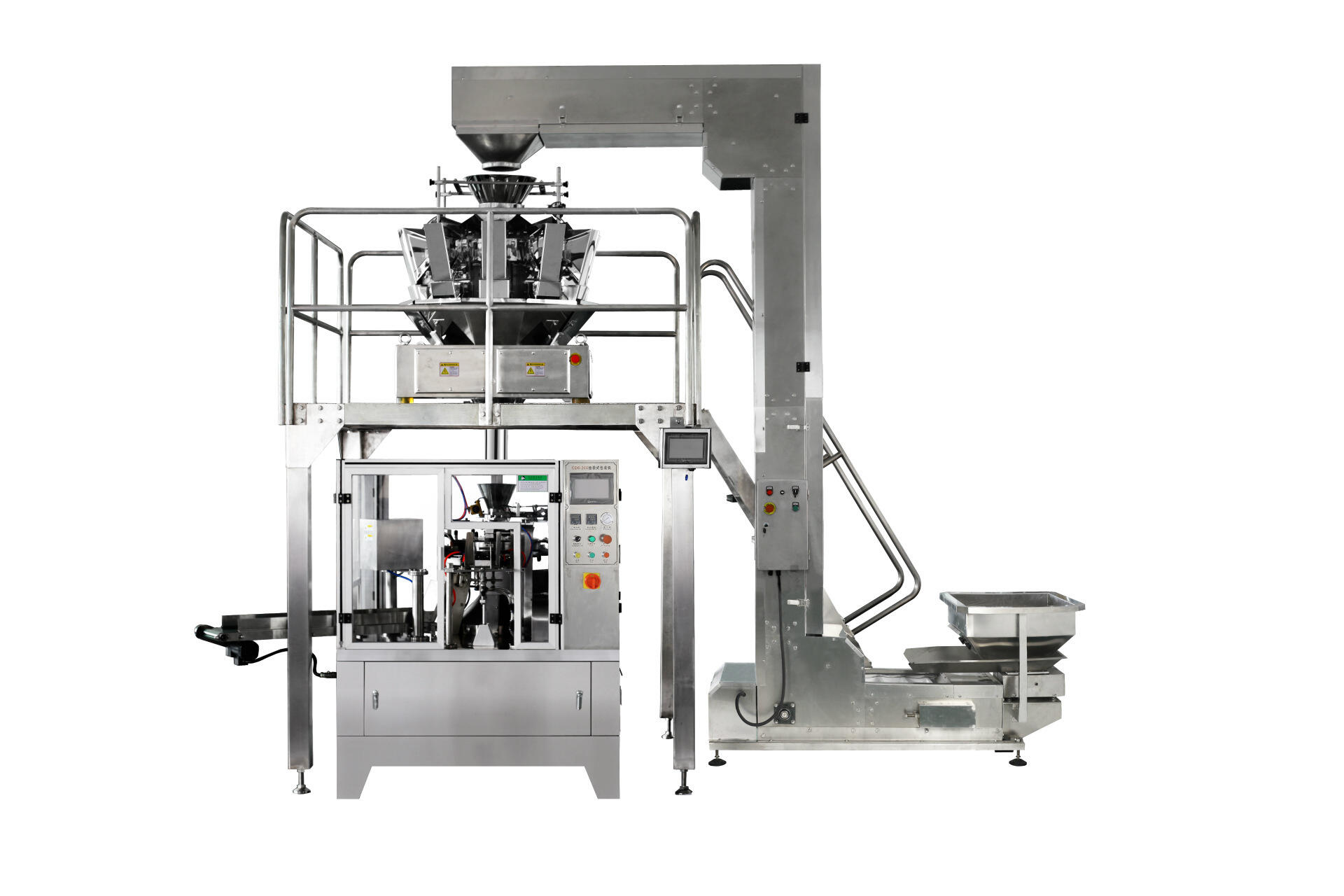
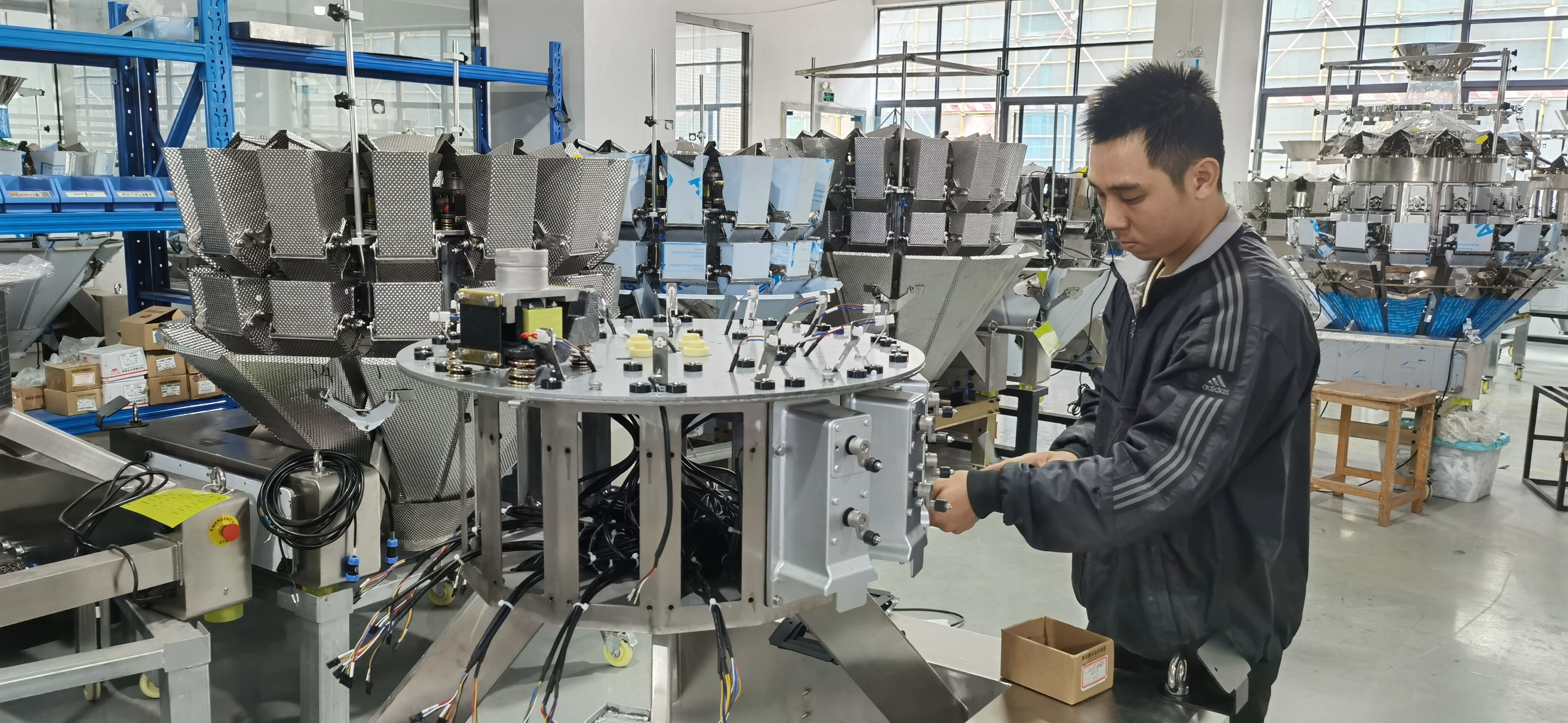
In the current global manufacturing landscape, the gap between fully automated and purely manual operations is giving rise to a massive market opportunity, and semi-automatic powder filling machines are perfectly positioned to capitalize on this trend. Their market potential stems not only from technological maturity but also from profound shifts in the global industrial structure and the vigorous growth of emerging business models.
First and foremost, the rise of small and medium-sized enterprises (SMEs) is the core driver behind the demand for this equipment. With the surge of startups in artisanal food, niche chemicals, and contract packaging, many new businesses face a dilemma between funding and production capacity: fully automated production lines require investments of tens of thousands of dollars, creating an insurmountable barrier to entry, while purely manual filling cannot meet the growing demand for orders. Semi-automatic powder filling machines, with their moderate price range (typically between $3,000 and $10,000) and high-efficiency performance, have become the “ideal stepping stone” for these businesses transitioning from artisanal workshops to professional-scale production. Particularly in niche markets such as food and cosmetics—where concepts like “handmade” and “natural” are emphasized—this equipment preserves production flexibility while significantly improving packaging accuracy and efficiency.
Second, the explosive growth of e-commerce and private-label brands has opened up entirely new application scenarios for semi-automatic filling machines. As more and more e-commerce sellers shift from bulk purchasing of raw materials (such as protein powder, spices, and bath salts) to retail repackaging, traditional manual weighing methods have become a bottleneck that slows down shipping speeds. Semi-automatic equipment addresses this pain point precisely: it can quickly adapt to switching between different SKUs, converting bulk goods into retail packaging at speeds far exceeding manual methods, and helping sellers achieve profitability in a fiercely competitive market. At the same time, the global “labor shortages” and rising labor costs in the post-pandemic era have also prompted business owners to re-evaluate their production processes. Semi-automatic machines not only reduce reliance on skilled workers and minimize training costs associated with staff turnover, but their stainless steel construction also facilitates easy cleaning, meeting the increasingly stringent hygiene standards of the food and pharmaceutical industries.
From a geographic perspective, the demand for “production capacity upgrades” in emerging markets constitutes another strong growth driver. In the Asia-Pacific region (particularly India, Vietnam, and Indonesia), where industries such as spices and pharmaceuticals are massive and labor costs are gradually rising, companies urgently need a transitional technology that bridges the gap between manual and fully automated operations. Semi-automatic filling machines are widely popular in these regions due to their ease of operation and maintenance. Similarly, in Latin America and Africa, as food processing infrastructure continues to improve, demand for reliable, durable, and affordable powder filling equipment is steadily increasing.
Finally, the market resilience of semi-automatic powder filling machines also stems from their broad cross-industry applicability. From food and beverages (flour, seasonings, ground coffee) to pharmaceuticals and health products (antibiotic powders, infant formula, dietary supplements), and on to the chemical industry (detergents, pigments, fertilizers), virtually any sector involving the quantitative packaging of powdered materials requires this type of equipment. This multi-industry coverage results in an extremely broad total addressable market. Furthermore, because the equipment serves industries with inelastic demand—such as food and pharmaceuticals—market demand remains relatively stable even during economic fluctuations. In summary, semi-automatic powder filling machines are currently in a golden period of development, supported by the transformation of small and medium-sized enterprises, e-commerce repackaging needs, upgrades in emerging markets, and their versatility across multiple industries. The market outlook is highly promising.
 EN
EN